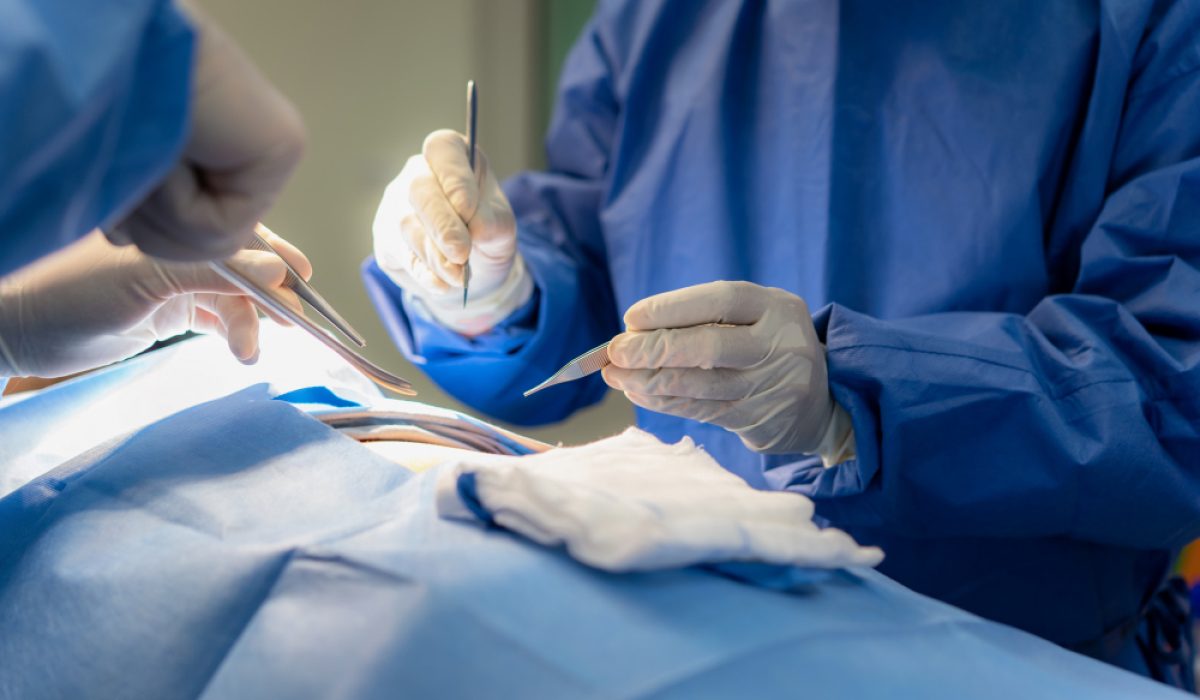
What is Colectomy (Colon Surgery)?
Colectomy (colon surgery) is a medical procedure to remove part or all of the colon. The colon is a long tube in your belly that helps move waste out of your body. Doctors may suggest colectomy when other treatments do not work. This surgery can help treat certain diseases or problems in the colon. Because colectomy is a major surgery, it is important to understand what it involves, how recovery works, and what risks may occur.
Why is a Colectomy Performed?
Doctors may recommend colectomy for several reasons. Often, it is needed when the colon is not healthy. For example, some people have diseases that damage the colon. Others may have growths or blockages that cause pain or bleeding. Common reasons for colectomy include:
Sometimes, colectomy is the only way to help a person feel better or prevent serious problems.
Types of Colectomy Procedures
There are different types of colectomy. The type depends on how much of the colon is removed. Your doctor will choose the best option for your condition. The main types are:
Each type has its own steps and recovery process. However, all aim to improve your health and comfort.
How is Colectomy Performed? (Surgical Techniques)
Doctors can perform colectomy in two main ways. The choice depends on your health and the reason for surgery. The main colectomy procedure steps are:
Sometimes, the doctor may create a new way for waste to leave your body. This is called a stoma. Not everyone needs a stoma, but your doctor will explain if you do.
Risks and Possible Complications
Like all surgeries, colectomy has some risks. Knowing about colectomy risks can help you prepare. Common risks include:
Although these problems are rare, your doctor will watch you closely after surgery. If you notice fever, pain, or swelling, tell your care team right away.
Recovery and Aftercare
Colon surgery recovery takes time. Most people stay in the hospital for a few days. During this time, doctors check for problems and help manage pain. After you go home, you will need to rest and follow your doctor’s advice. Colon surgery aftercare may include:
Because everyone heals at a different pace, talk to your doctor about when you can return to normal activities. If you have a stoma, a nurse will teach you how to care for it.
Tips for Patients Preparing for Colectomy
Preparing well can make your colectomy procedure steps smoother. Here are some helpful tips:
Because preparation can lower stress, try to relax and get plenty of sleep before your surgery day.
Frequently Asked Questions
For more information, you can visit trusted sources like the CDC or the World Health Organization.
Consult a qualified surgeon for personalized advice about colectomy (colon surgery) and your health.